Choosing a container for dry goods is a decision that matters more than it may appear. The difference between a properly sealed container and a loosely fitting lid can determine whether flour stays fresh for a year or goes stale in two months. Canadian kitchens present specific conditions — particularly seasonal humidity changes and, in older homes, limited pantry insulation — that affect which containers perform best.

Spices and dry goods in storage. Image: Wikimedia Commons (CC)
What the Container Actually Does
A dry goods container serves three functions: it keeps moisture out, prevents pest entry, and slows oxidation. The material matters less than the quality of the seal. A cheap glass jar with a worn rubber gasket provides less protection than a quality polypropylene container with a fresh airtight lid.
Secondary considerations include visibility (seeing what is inside without opening), stackability (making efficient use of shelf space), and labelling surface (making it easy to mark the contents and purchase date).
Glass Containers
Glass is the most chemically inert option. It does not absorb odours or leach compounds into food over time. Wide-mouth glass jars — particularly canning jars with two-piece metal lids or bail-arm jars with rubber gaskets — are widely available across Canada from retailers like Canadian Tire, IKEA, and most grocery chains.
Glass containers are heavy and fragile. In kitchens where containers are moved frequently — for cooking, refilling, or cleaning — repeated handling of heavy glass jars increases breakage risk. This is worth considering for items used daily.
- Suitable for: Grains, pasta, sugar, dried legumes, baking supplies stored long-term.
- Seal quality: Good with bail-arm lids and intact rubber gaskets; variable with standard metal canning lids (check gaskets annually).
- Humidity performance: Excellent — glass does not expand or contract with humidity changes, so the seal remains consistent.
- Visibility: Full — you can see contents and fill level without opening.
- Labelling: Use chalk labels or masking tape; permanent marker on glass is hard to remove cleanly.
Plastic Containers
Polypropylene (PP, code 5) and high-density polyethylene (HDPE, code 2) are the most food-safe plastics for dry goods storage. Containers marketed as BPA-free typically use these materials. The main concern with plastic is that lower-quality products may develop micro-scratches over time that harbour odours, and the lid mechanism can degrade faster than with glass or stainless options.
Clip-lid plastic containers — where the lid snaps onto the rim with multiple clips — tend to maintain their seal longer than push-fit lids. Popular Canadian examples include OXO Pop containers and similar clip-seal designs, which are carried by most kitchen retailers and larger grocery chains.
| Feature | Glass | Plastic (PP/HDPE) | Stainless Steel |
|---|---|---|---|
| Seal quality | High (with gasket) | Medium–High | Medium–High |
| Weight | Heavy | Light | Medium |
| Visibility | Full | Full or opaque | None |
| Humidity response | None | Minimal | None |
| Breakage risk | High | Low | Very Low |
| Odour absorption | None | Low over time | None |
| Typical lifespan | 10+ years (with gasket care) | 3–7 years | 10+ years |
Stainless Steel Containers
Stainless steel containers are durable and do not absorb odours, making them suitable for strong-smelling spices and coffee. The main limitation is lack of visibility — you cannot see the contents without opening the container. This makes labelling more important.
Stainless containers are less common in Canadian retail than glass or plastic options, but specialty kitchen stores and Indian grocery retailers often carry a good selection of stainless steel canisters with silicone-gasketed lids.
Sizes and What to Use Them For
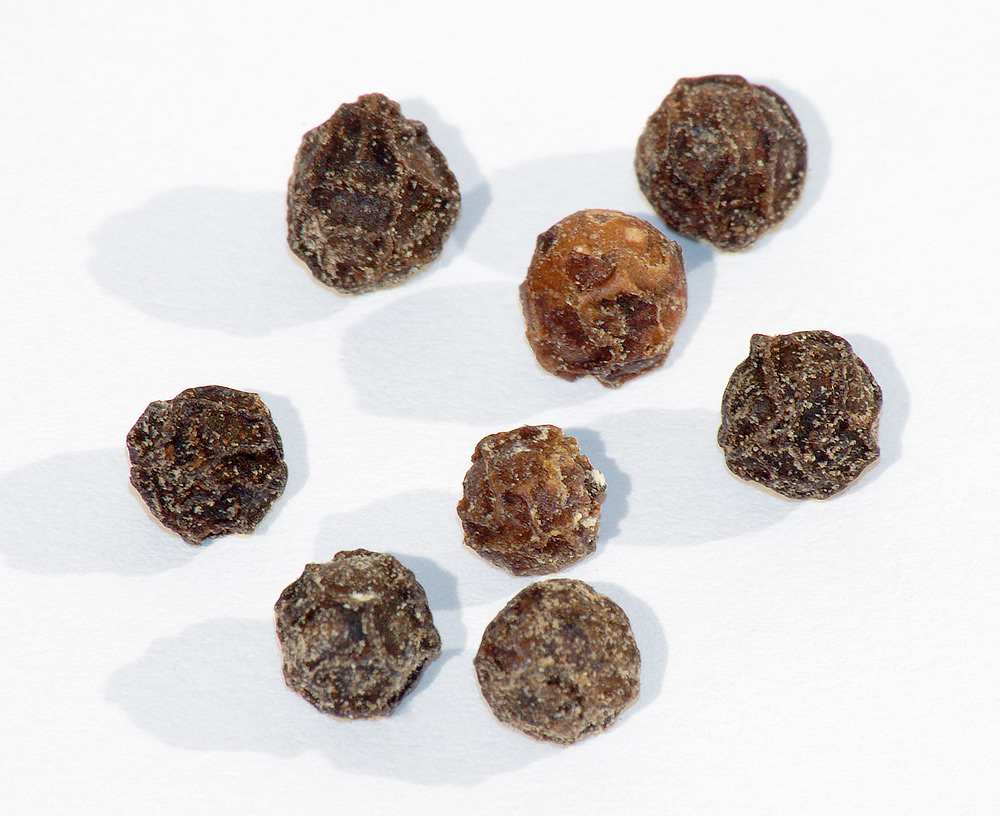
Spices stored properly retain flavour significantly longer. Image: Wikimedia Commons (CC)
- Small (250–500 ml): Ground spices, small seeds (chia, flaxseed), baking powder, cornstarch.
- Medium (1–1.5 L): Pasta, rolled oats, quinoa, dried beans.
- Large (3–5 L): Bulk flour, white rice, white sugar, bulk lentils.
- Extra-large (10+ L): Emergency bulk supplies (25 kg rice stored over months). Food-grade buckets with gamma-seal lids are the practical option at this scale.
Seasonality in Canadian Kitchens
Canadian homes experience wider humidity swings than many other regions. In prairie provinces, winter air is often extremely dry (relative humidity can drop below 20% indoors), while summer brings more humidity — particularly in British Columbia and Ontario. This affects container performance in two ways:
- Plastic lids that fit well in summer may feel slightly looser in very dry winter conditions as both the container and lid contract. Checking seals twice a year is a reasonable habit.
- Any container that is opened frequently — such as a flour bin — benefits from being checked for early signs of moisture entry (clumping, off smell) at the start of each summer.
Pest-Resistant Container Choices
Flour moths and grain weevils are unable to enter through a properly sealed container. The critical point is that many infestations begin inside the original packaging — freezing new flour, grains, or rice for 4–7 days before transferring to pantry containers kills any eggs present. After that, an intact seal keeps new pests out.
Plastic containers with damaged or worn seals should be replaced rather than repaired. The cost of a replacement container is low compared to the waste from a pantry infestation.
Practical Starting Points
A reasonable approach for a household beginning to organize dry goods storage:
- Identify the five or six items used most frequently and buy appropriate-sized containers with quality seals first.
- Transfer bulk purchases (rice, lentils, oats) into sealed containers immediately rather than storing in original bags.
- Label every container with the item and purchase date before putting it on the shelf.
- Assess the seal quality annually — gaskets on glass jars in particular should be inspected for cracking or deformation.
For guidance on structuring your pantry space to make the most of these containers, see the pantry organization guide. For managing what goes in and out over time, the rotation system article covers the practical approach.